

Jane Pierce Was More Than a First Lady in Mourning
In Pursuit essay series author spotlights the first lady’s crucial intervention that may have changed the trajectory of the state of Kansas.

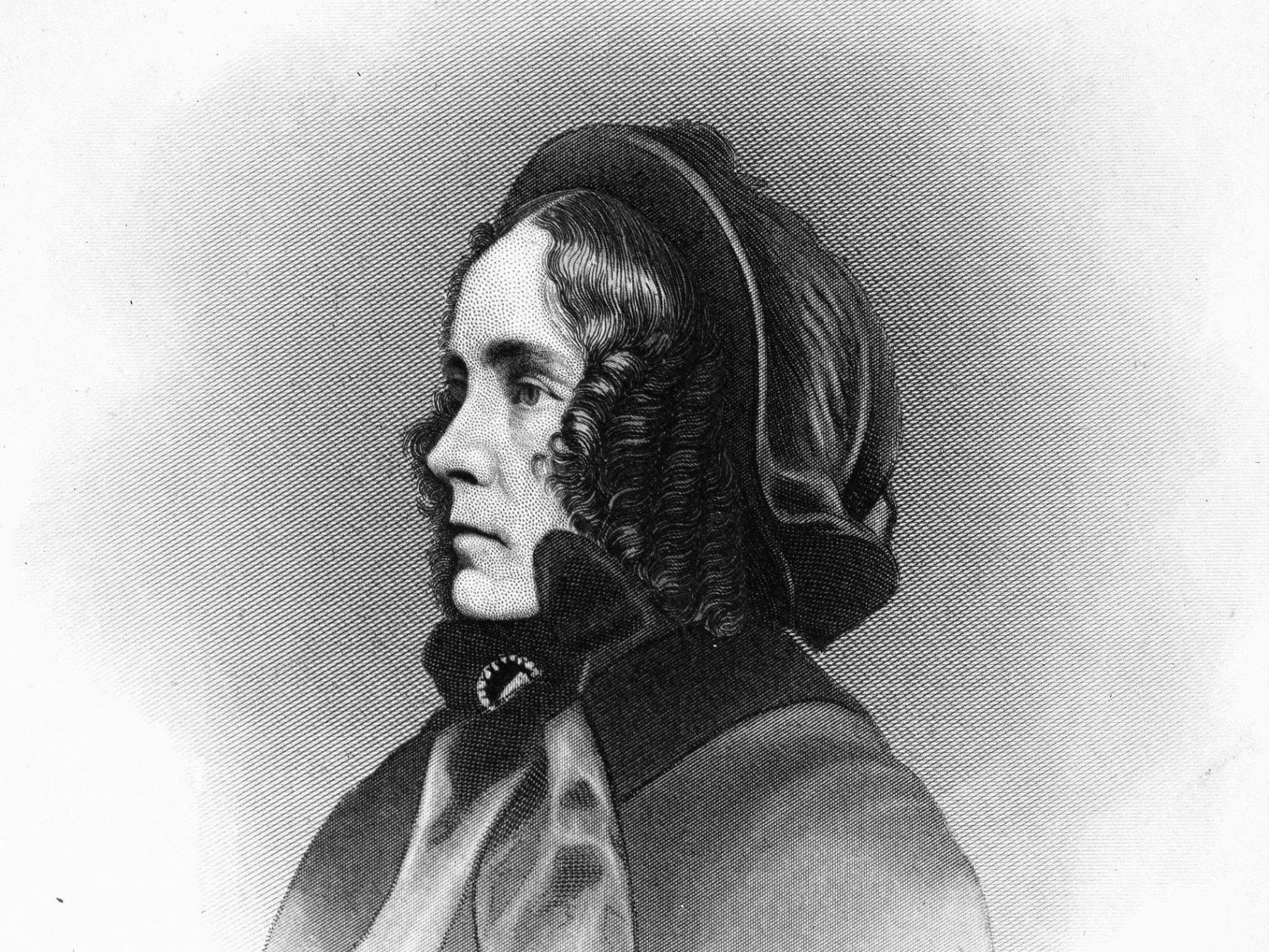
The historical narrative around Jane Pierce, the wife of the 14th president of the United States, Franklin Pierce, has long been overshadowed by the horrific death of their 11-year-old son “Bennie” in 1853 as a result of a train accident just weeks before her husband’s inauguration.
The tragic event led future writers to characterize Mrs. Pierce during her tenure as a presidential spouse as an absent and secluded first lady in mourning and in ill health.
But that narrative appears to be incomplete, according to Diana Carlin, co-author of Remember the First Ladies: The Legacies of America’s History-Making Women, in a new essay, “Grief Can Narrow a Life–or Deepen Moral Resolve” spotlighting Mrs. Pierce’s contributions for the national initiative—In Pursuit. The bi-partisan initiative, created by the Washington, D.C.-based organization More Perfect, which includes an alliance of 43 presidential centers and foundations and educational and civic initiatives from around the country, aims to distill wisdom about leadership and democracy from former American presidents and first ladies.
In her research, Carlin tells East Wing Magazine in a recent phone interview that biographies often focused on what the first lady didn’t do. It is true that Jane Pierce was devastated by her son’s death. But as Carlin writes in her essay, context is important because Bennie was their last and third son they lost. Their two other sons also died in childhood.
Jane Pierce did not immediately come to Washington, D.C., after her husband’s inauguration. Her two-year mourning period went on longer than tradition dictated for the time period. And, her grief upset the Washington, D.C., social season because she delayed opening up the White House.
“The women of Washington were very unforgiving with her,” Carlin says.
Carlin emphasizes, though, that she was appropriately active in those first two years in the White House hosting teas, participating in some dinners and attending the White House open house in 1855, loosening “her strict mourning attire.” She attended Senate debates on the issue of slavery and discussed national and world politics at dinners and receptions.
“She did a little more than what a lot of people were giving her credit for,” Carlin says.
But, it was a casual sentence Carlin came across in her research about Jane Pierce where the first lady urged her husband to let some seditionists out of prison that caused Carlin to investigate the claim deeper. It eventually led her to an article in a New Hampshire Historical Society newsletter that helped her connect the dots to a “very personal history” for Carlin in Kansas.
In th emid-1800s, abolitionists and pro-slavery proponents were fighting on the Kansas and Missouri border about the Kansas-Nebraska Act that President Pierce signed into law. The bill legalized slavery in those territories based on popular vote. Jane Pierce, Carlin writes, unsuccessfully tried to sway her husband to veto the bill. But In 1856, Dr. Charles Robinson and other free state leaders opposed to slavery in the Kansas Territory established a rival government with Robinson as governor. President Pierce declared the actions as sedition, imprisoned Robinson and the free state leaders, and threatened their execution.
The men’ s fates would come down to the first lady, according to Carlin. Jane Pierce’s aunt intervenes on behalf of Robinson by reaching out to the first lady about the imprisonment. Jane Pierce, then, intercedes resulting in President Pierce freeing the men.
Had Jane Pierce not gotten involved there’s no telling exactly what the outcome would have been for Kansas–Carlin’s home state.
“Would the pro-slavery group have taken over that land? Would we have really had the strength of leadership for the free-state movement?” Carlin asks. “It just got the wheels spinning of how one action can impact so much of history.”
So, too, can the interpreters of history.
That longstanding grieving mother narrative took hold, Carlin explains, because it has been mostly men who have interpreted that history. What also comes to light as more women study presidential spouses is the nature of private-political influence in the White House.
“No one knew what she was doing with trying to influence him on important legislation. That didn’t come to bear until much later,” Carlin says. “So I think a kind of mythology developed and was passed along.”
Much of the imagery about Jane Pierce started from things that were said at the time, according to Carlin. Now, as people have more access to documents, to letters and to diaries, the narrative starts to change.
“We begin not to revise history, but to better inform history,” Carlin says. “And that’s what’s beginning to happen with Jane Pierce.”
Read the fully In Pursuit essay
Calendar
May 27, 2026
First Ladies on the Page Book Club
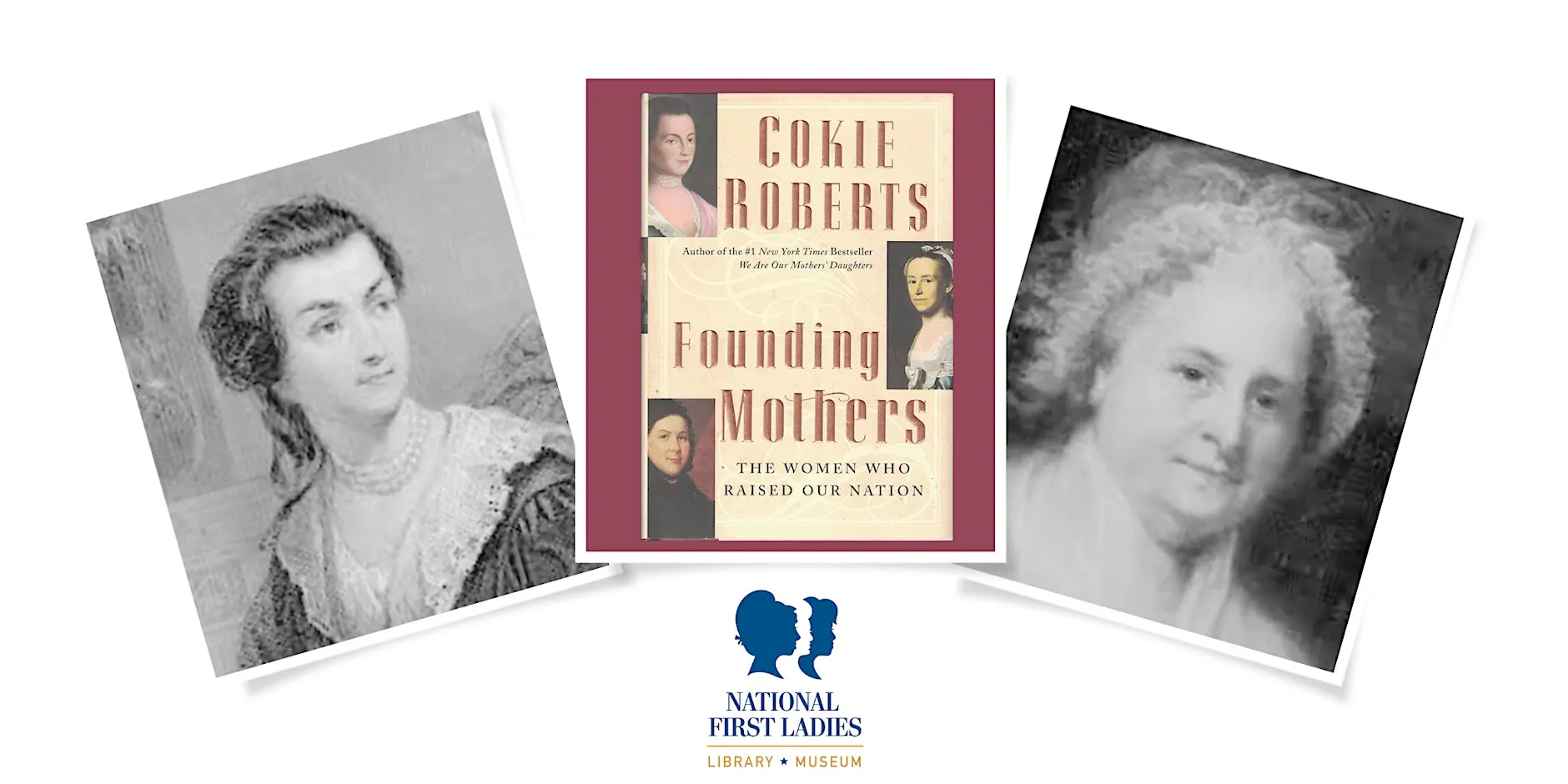
The National First Ladies Library & Museum presents a free, virtual staff-led discussion of Founding Mothers: The Women Who Raised Our Nation by Cokie Roberts at 7 p.m. EDT. The discussion will explore the women who helped shape the early United States. Read more
June 2, 2026
America at Night
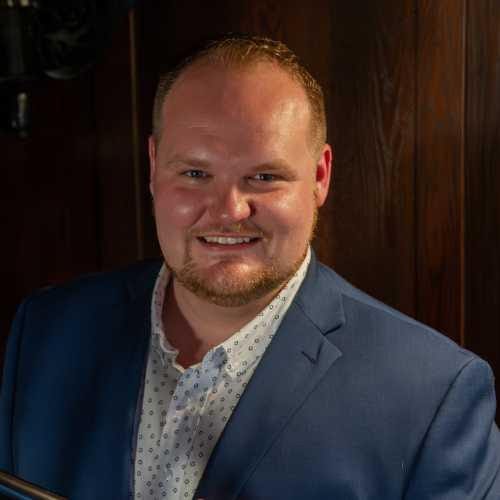
David Lee, the CEO and president of the National First Ladies Library & Museum in Canton, Ohio, will be featured on the radio show America at Night at 10 p.m. EDT on June 2, 2026, talking about the organization’s historic site and the ongoing Eras Exhibit. Tune in here
June 3, 2026
Cookin’ with Congress: Drink Like a First Lady
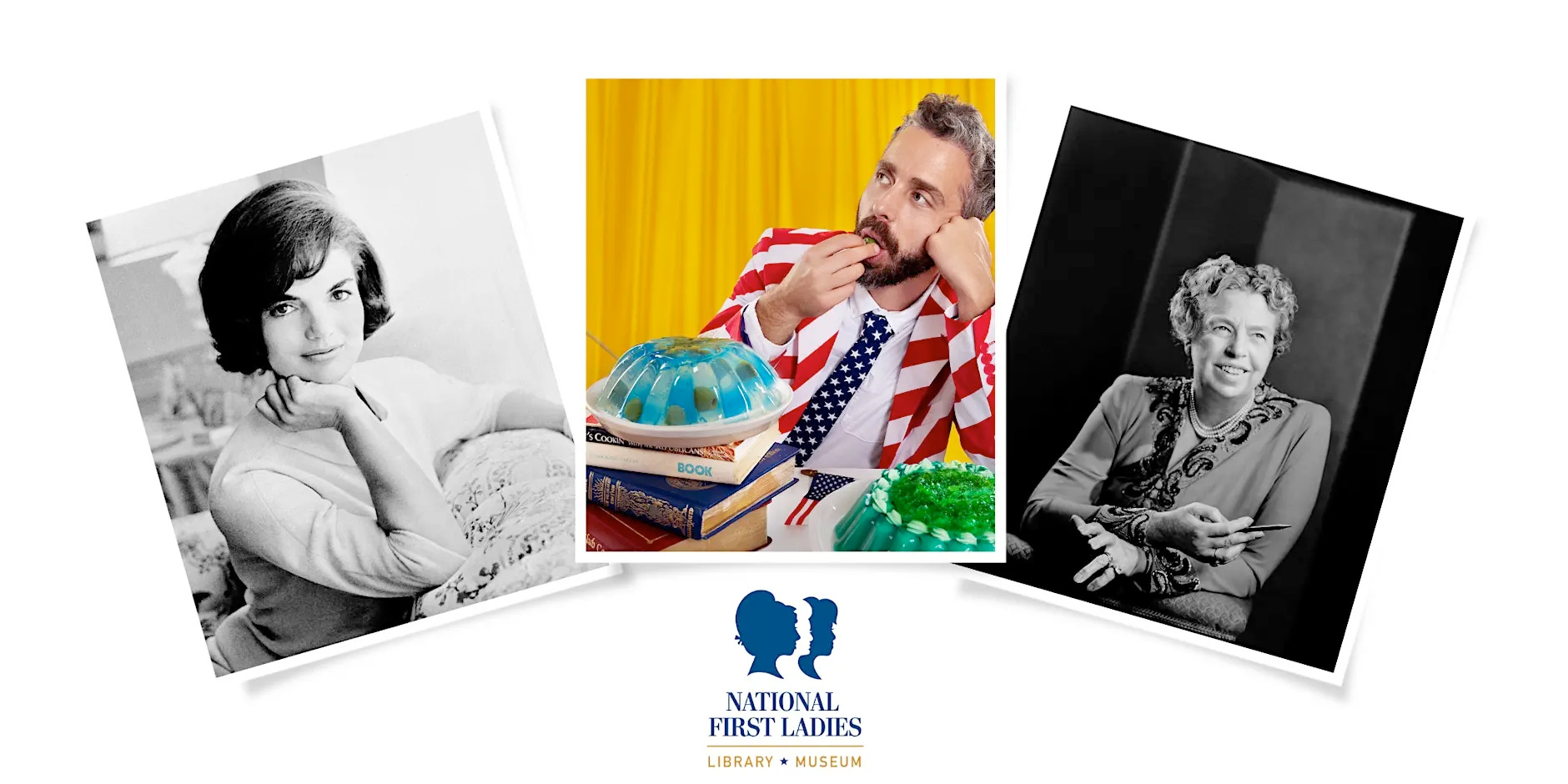
The National First Ladies Library & Museum presents a one-of-a-kind, virtual mixology experience “Cookin’ with Congress: Drink Like a First Lady” from 7 to 8 p.m. EDT on June 3, 2026, with Bennett Rhea the viral creator behind “Cookin’ with Congress.” Step inside the private lives of America’s First Ladies—one cocktail at a time. Discover how drinks like Jackie Kennedy’s daiquiri and Dolley Madison’s Yard of Flannel offer insights into the personalities, eras, and cultural moments of the women who shaped history. Read more
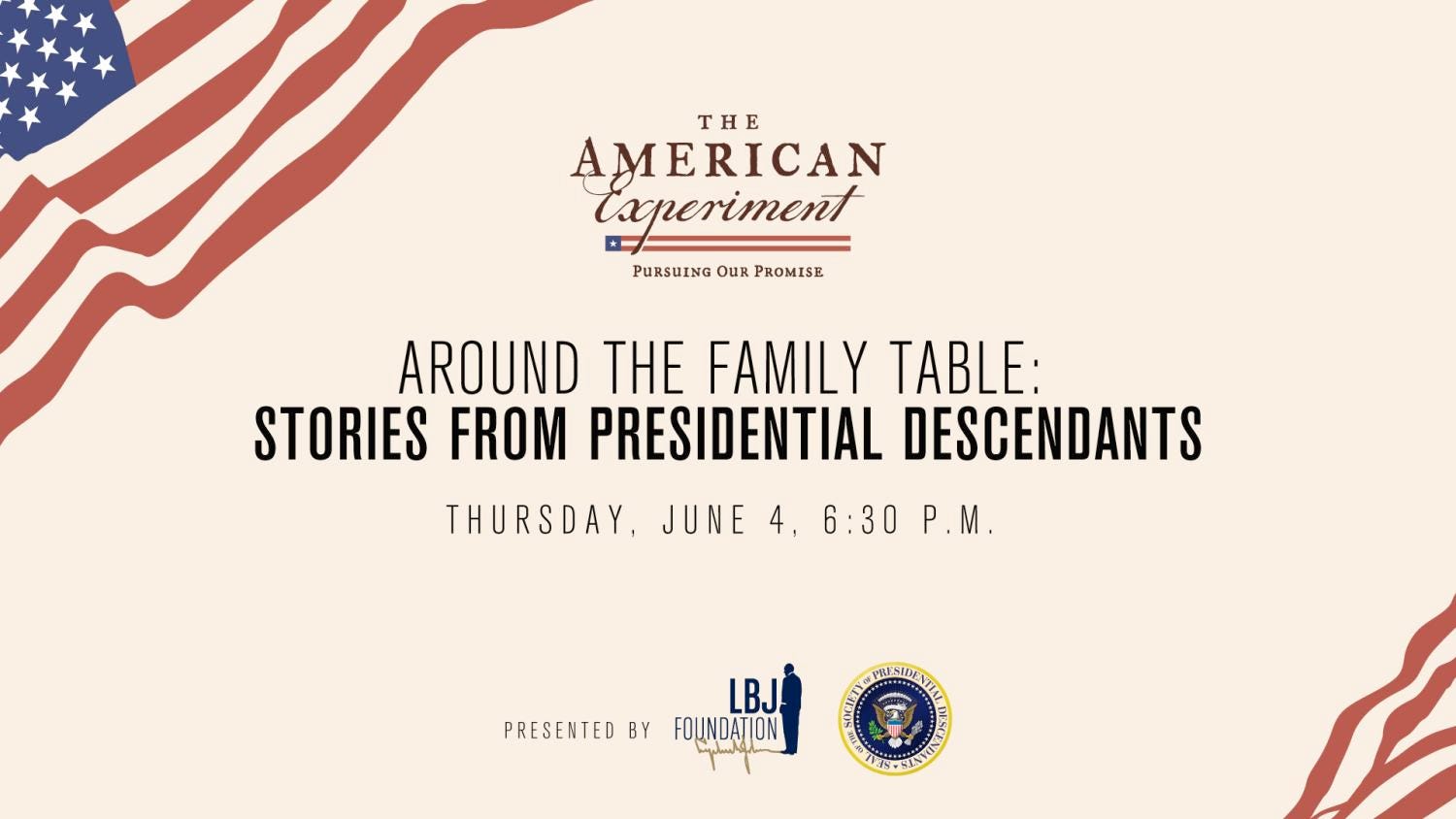
June 4, 2026
Around the Family Table: Stories from Presidential Descendants
Friends of the Lyndon Baines Johnson Library presents a new exhibit The American Experiment and an evening to hear stories from presidential descendants about their ancestors and their family legacies. The in-person event will take place on June 4, 2026, from 6:30 to 8:30 p.m. local time at the LBJ Presidential Library. A moderated conversation will feature Ulysses Grant Dietz, second great grandson of Ulysses S. Grant; Richard Gatchell, fifth great grandson of James Monroe; Massee McKinley, second great grandson of Grover Cleveland; Birch Taylor, second great grandson of Rutherford B. Hayes; and moderator Tweed Roosevelt, great grandson of Theodore Roosevelt. Read more
June 12, 2026
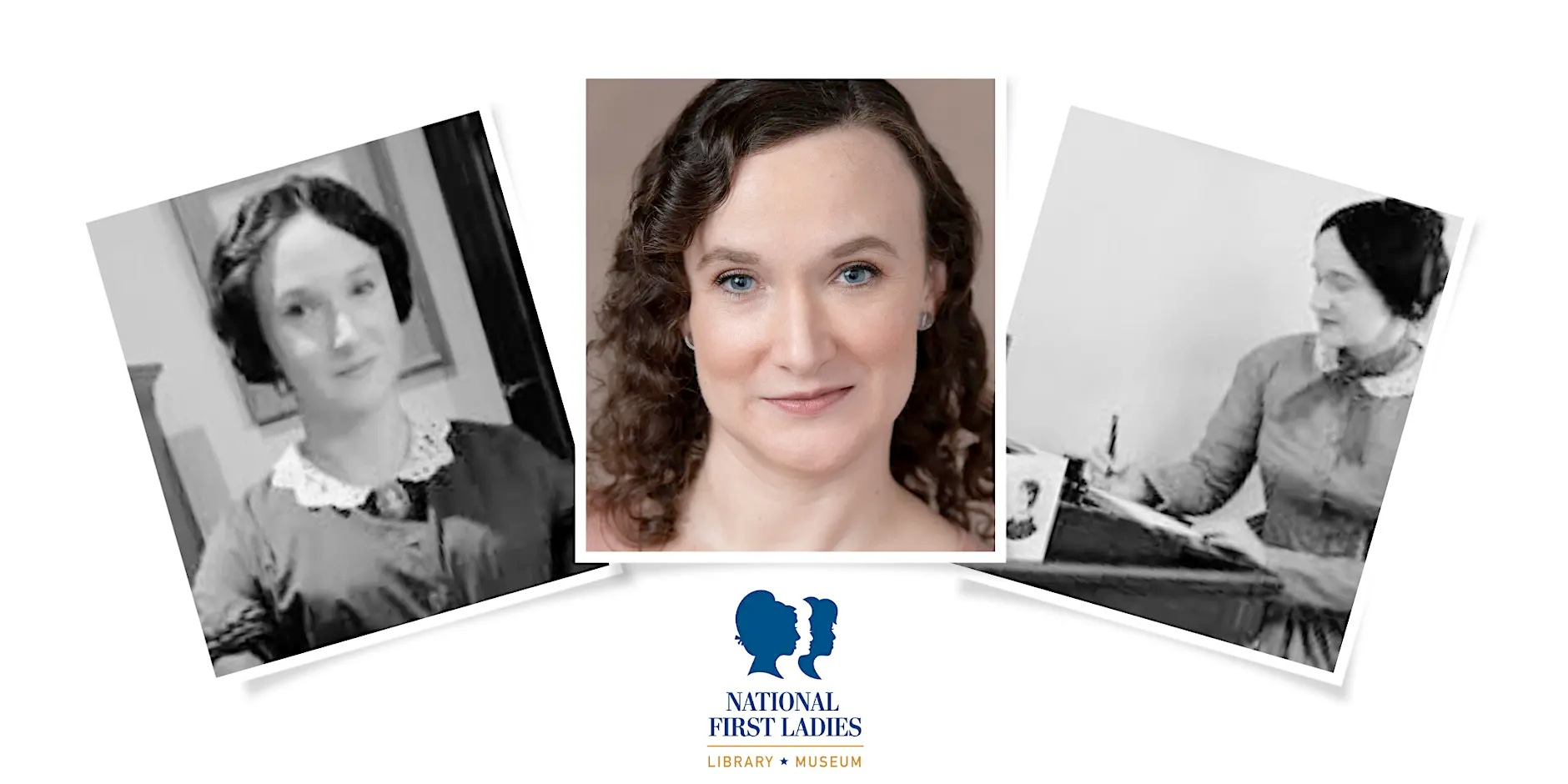
Legacy Lecture: Louisa Catherine Adams in America
The National First Ladies Library & Museum presents an online, one-woman play at noon EDT on June 12, 2026, on Louisa Catherine Adams, one of America’s most fascinating first ladies performed by award-winning actress and historical interpreter Laura Rocklyn. Audiences will explore Louisa’s personal journey and consider her potential future as a widow. The year is 1848: John Quincy Adams has suffered a fatal stroke on the House floor, and Louisa reflects on her years in the White House, her decades of public service, and the sacrifices she made alongside her husband as he fought against slavery in the House of Representatives. Read more
June 12, 2026
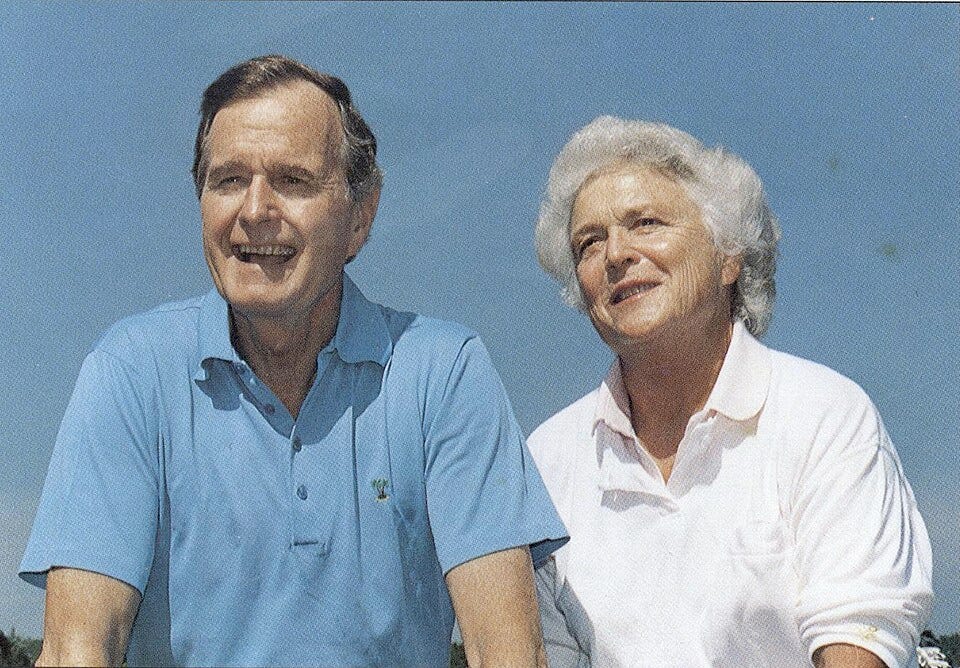
Bush Birthday Celebration
Join the George and Barbara Bush Foundation on June 12, 2026, from 11 a.m. to 2 p.m. local time at the George H.W. Bush Presidential Library & Museum in College Station, Texas, for a family-friendly celebration honoring the birthdays of President and Mrs. Bush. The celebration will feature story hour with special guest readers, birthday cake, and refreshments. Read more
June 18, 2026
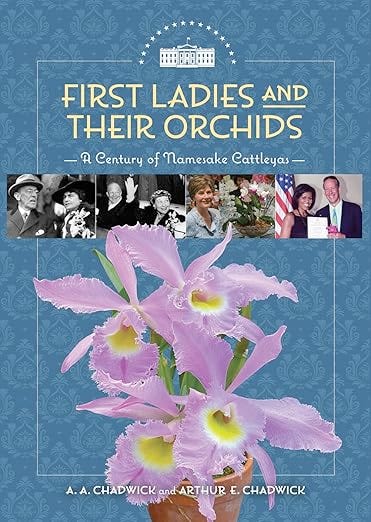
Third Thursday: First Ladies and Their Orchids
The National First Ladies Library & Museum presents from 6 to 8 p.m. local time on June 18, 2026, an in-person Third Thursday program exploring Cattleya orchids named for America’s First Ladies. Arthur E. Chadwick highlights 19 consecutive first ladies, from Edith Bolling Wilson through today, celebrated with orchid hybrids, offering a unique perspective on history, horticulture, and legacy. The evening includes a presentation on a century of first ladies’ namesake orchids and a live show-and-tell of the plants. Read more
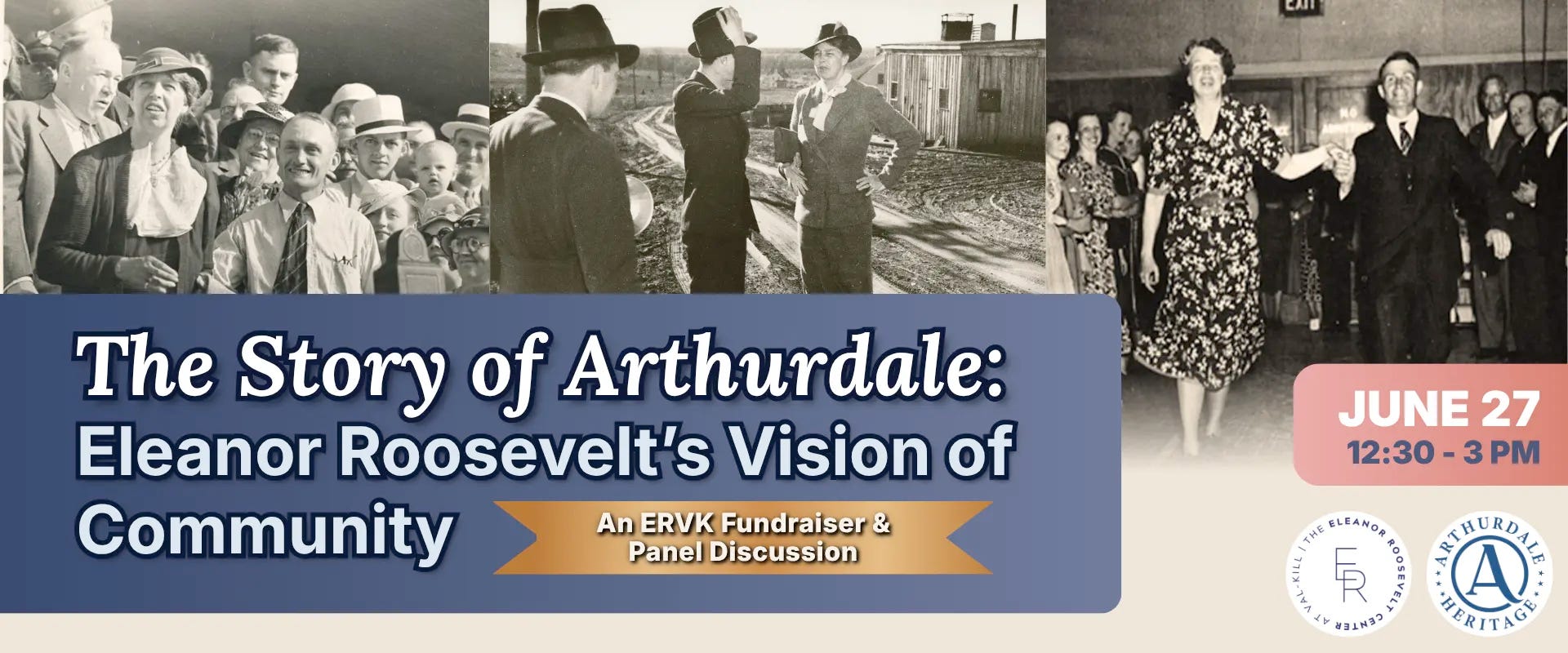
June 27, 2026
The Story of Arthurdale: Eleanor Roosevelt’s Vision of Community
The Eleanor Roosevelt Center at Val-Kill presents the fundraising panel discussion “The Story of Arthurdale: Eleanor Roosevelt’s Vision of Community” on June 27, 2026, from 12:30 to 3 p.m. local time. Following an informal lunch, join the Eleanor Roosevelt Center and Arthurdale Heritage for a special fundraiser and panel discussion exploring the extraordinary history of Arthurdale and Eleanor Roosevelt’s enduring connection to the community she called her “pet project.”
The afternoon will feature a panel discussion with Franceska Urbin, Supervisory Park Ranger at National Park Service, and Elizabeth Satterfield, Curator and Director of Education at Arthurdale Heritage, and moderated by Anna Fierst, Board Chair of the Eleanor Roosevelt Center (ERVK). They will examine the origins of Arthurdale, Eleanor Roosevelt’s advocacy for struggling families during the Great Depression, and the continued relevance of her vision today. Read more
June 27, 2026
The Grants’ World Tour
The bicentennial celebration of Julia Dent Grant at the Ulysses S. Grant National Historic Site at White Haven continues with a Ranger Talk on The Grants’ World Tour from 10 to 11 a.m. local time on June 27, 2026. For more information about the events call 314-842-1867.
Send calendar items, press releases and announcements to jtaylor@eastwingmagazine.com.