A Proposed Memorial for the John Adams Family to Also Honor Two First Ladies
The push for a memorial on the National Mall in Washington, D.C., honoring the second and sixth presidents, their wives and other family members is pending approval in the U.S. Senate.
America’s 250th anniversary year of its independence is well underway, and so, too, is a rekindled effort to memorialize a key founding father—John Adams, the second president of the United States—and members of his family.
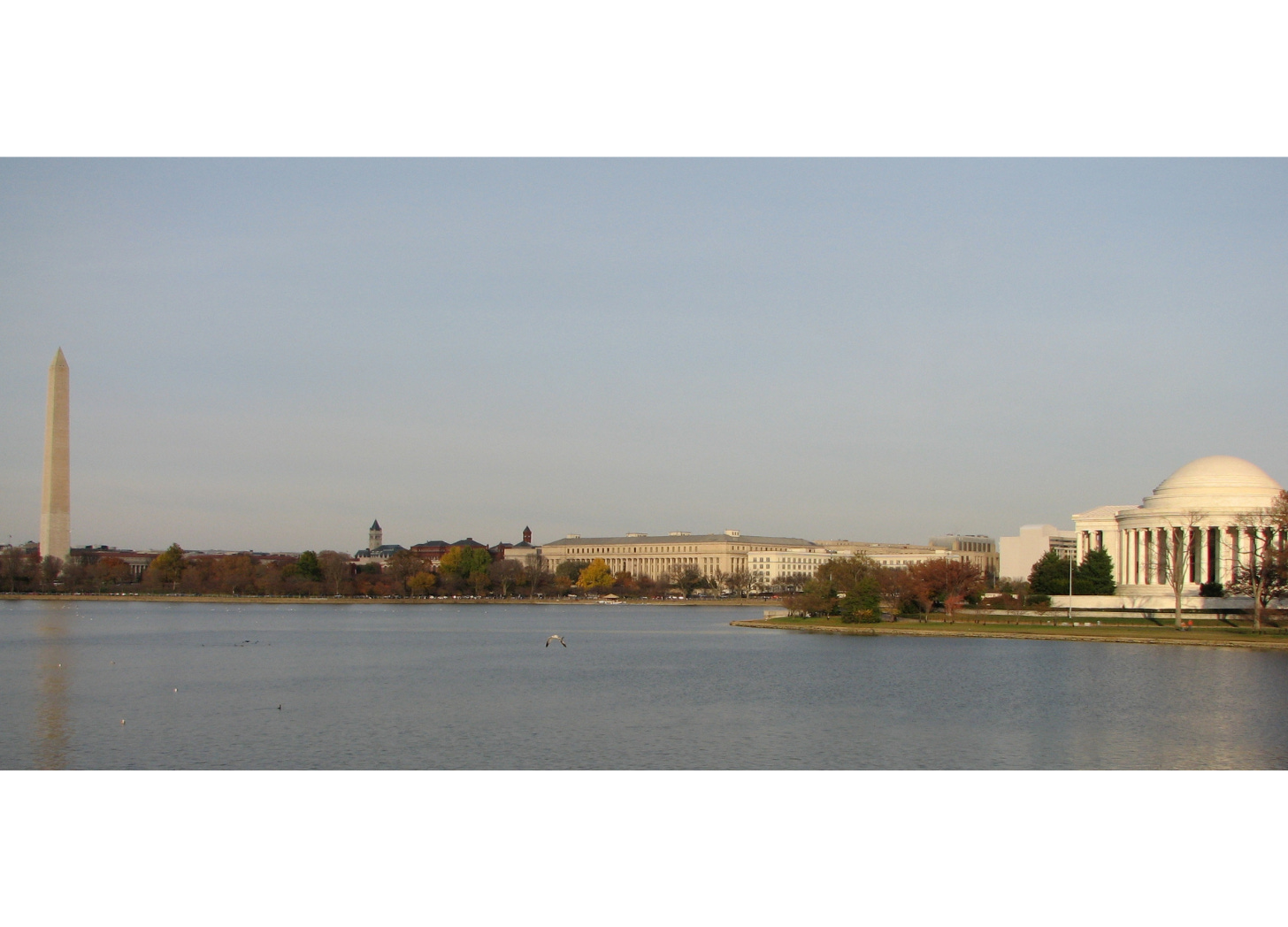
It’s been years in the making. But as far as history is concerned, a more recent reassessment of the contributions by the Adams family has put into motion momentum for establishing a new presidential monument on the National Mall in Washington, D.C., in their names. It would stand in the vicinity of the Washington Monument and Thomas Jefferson Memorial—prominent landmarks named for George Washington and Jefferson, the first and third presidents, respectively, who bookended John Adams’ single-term presidency.
There are five presidential monuments on the National Mall and unlike most of them, the Adams Memorial will not single out the second president. Uniquely, it would also pay tribute to John Adams’s son and sixth president of the United States, John Quincy Adams. Notably, the proposed legislation for the memorial also recognizes the presidents’ spouses, Abigail Adams and Louisa Catherine Adams, and the contributions they made as first ladies in helping shape the nation.
So it seems Abigail Adams’ now famous words to her husband to “Remember the Ladies” in drafting the nation’s founding documents have, indeed, not been forgotten.
“It’s a tremendous tribute to both former first ladies,” Congressman John Moolenaar, a Republican from Michigan who was appointed to the Adams Memorial Commission and sponsored the bill, tells East Wing Magazine in a recent phone interview. “Anybody who has been involved in serving government knows that spouses play such a vital role and make such a sacrifice.”

Only one other presidential memorial on the National Mall pays tribute to a first lady—the Franklin Delano Roosevelt Memorial. There, a statue of his wife, Eleanor Roosevelt, stands with an emblem of the United Nations behind it. Mrs. Roosevelt was the first U.S. delegate and helped craft the United Nations Declaration of Human Rights after her husband’s death in 1945.
“Abigail is the most extraordinary woman and John Adams would not be John Adams without her,” says Jackie Cushman, chair of the Adams Memorial Commission and president of the Adams Memorial Foundation. “She was clearly his rock.”
The Adams Memorial Foundation outlines the family’s contributions beginning with John Adams serving as the nation’s first vice president and second president. He nominated George Washington as Commander in Chief and urged Thomas Jefferson to draft the Declaration of Independence. He secured Dutch loans that helped finance America in its infancy. John Adams was also a key negotiator for the Treaty of Paris in 1783 that ended the Revolutionary War.
Abigail Adams served as her husband’s confidant and advisor. Her letters help piece together the crucial history of the Founding era from a female perspective when women could not own property or vote. Her personal letters to her husband demonstrate Abigail Adams’ advocacy for women to have more control over their own lives. John and Abigail Adams were the first to occupy the White House after it was built and they opposed slavery.
John Quincy Adams served as the sixth president of the United States and was also known as a skilled diplomat and the only president in U.S. history to serve in Congress after his one term in the White House. His wife, Louisa Catherine Adams, helped build connections for her husband that led to his election as president, shaped the role as first lady in arranging for diplomatic visits and helped guide the country in mourning when John Adams and Thomas Jefferson both died on the same day.
The memorial also honors Charles Francis Adams, a congressman, ambassador and son of John Quincy and Louisa Adams; and Henry Adams, a scholar, historian and son of Charles Francis Adams.
Building a monument on the National Mall is no easy feat. It requires an act of Congress. The memorial’s legislation, titled “The Adams Memorial–Great American Heroes Act,” cleared the House of Representatives with strong bipartisan support in December. The bill is currently pending in the Senate. Attempts to create the Adams Memorial first began in 2001, but stumbled because of fundraising challenges and when a location could not be agreed upon. Legislation for those efforts were reauthorized twice before the authority finally expired in 2020. The bill, if approved by the Senate, would authorize the work of the commission to continue through 2032 and move the memorial forward.
The lengthy time frame is important, says Cushman, who resides in Atlanta, to allow for private fundraising and because the process is long and complicated with approvals eventually needed from two federal design review agencies—the National Capital Planning Commission and the Commission of Fine Arts.
The legislation suggests the memorial be located in “Area I” in President’s Park south of the White House. It also suggests if the first location is deemed unsuitable or unfeasible, then it can be constructed within a different area of the National Mall.
“By locating the Adams Memorial in an even more prominent location, the legislation is creating parity with other Presidential memorials and demonstrating the significance of the Adams family’s contribution to the founding of our nation,” the bill reads. “By recognizing and commemorating this founding family ahead of America’s 250th anniversary in 2026, the bill advances the goals of President Trump’s Executive Order … ‘Celebrating America’s 250th Birthday.’”
Other memorials on the National Mall approved by Congress recently are for the Global War on Terrorism Memorial (2021) and the Women’s Suffrage Monument (2025), in which all of the living first ladies serve as honorary chairs.
Part of the foundation’s purpose is to help educate people about the Adams family. Recently, the foundation launched a new initiative called The Abigail Adams Society, a giving society that honors her legacy and helps support the memorial. Within it, a monthly book club with author discussions explores the family’s history.
“The society really highlights that [Abigail Adams] was unique, that she had a key role in our nation’s founding,” Cushman says, adding that the memorial will be “the prominent location of a woman being memorialized in Washington, D.C., which is hugely important.”
As the commission waits for congressional approval, supporters of the memorial are getting the word out about fundraising with the hope that design work can commence shortly thereafter.
“I just think it’s time to recognize the contribution of this family,” Moolenaar says. “It’s received strong bipartisan support and it’s long overdue.”
For more information about the Adams Memorial Foundation and to support their work, click here.


